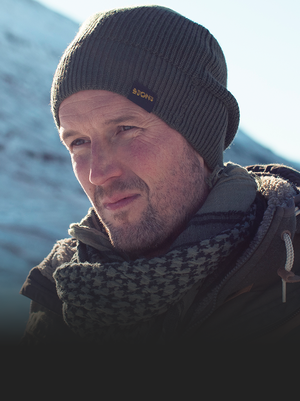
Craig DeMartino: Rebuilt
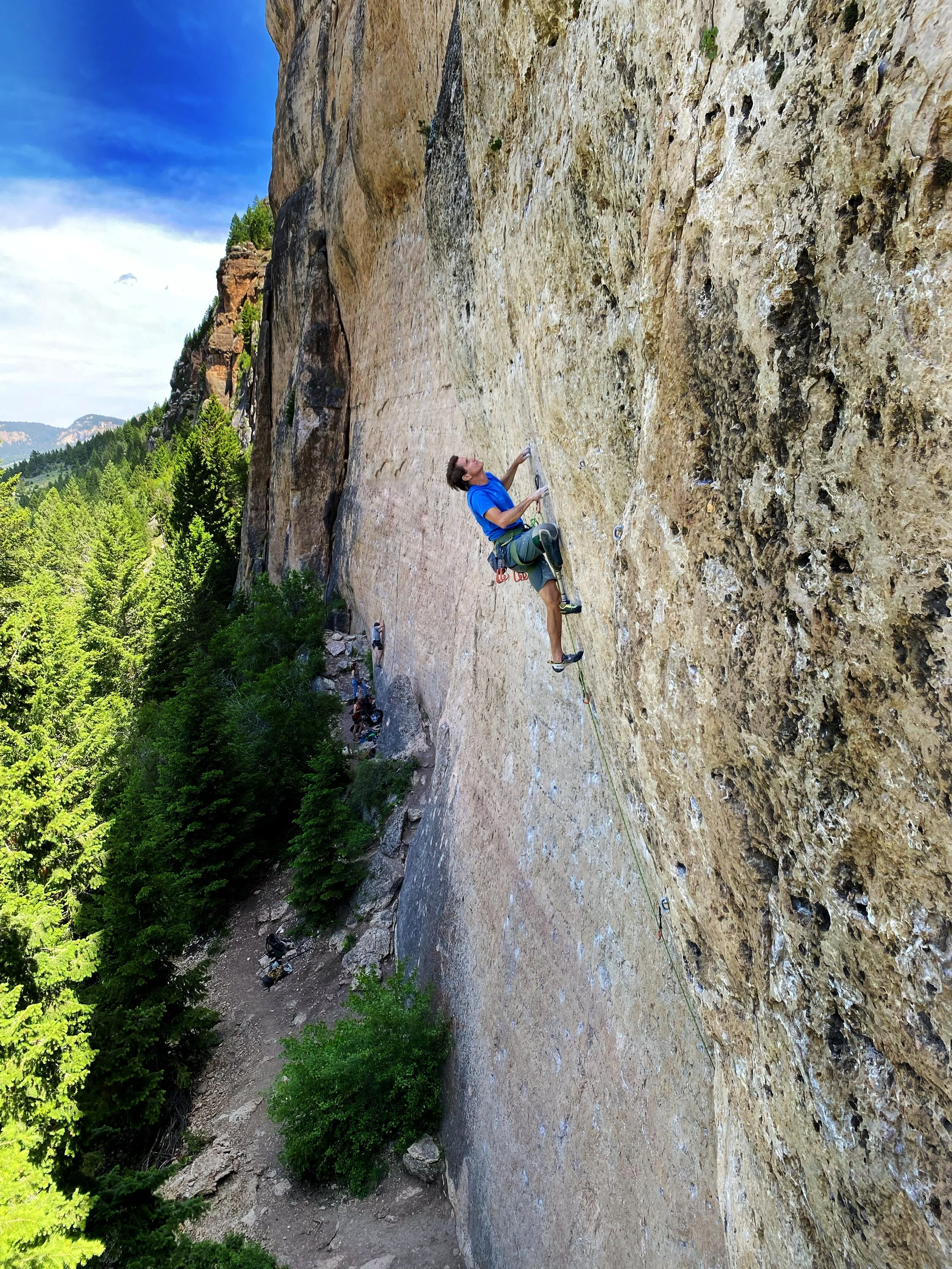
I’ve been a climber for over 30 years, building my life around the vertical environment. I learned to measure time by breaths long before I learned to measure it by pitches. Hanging from a granite wall, lungs rasping, the world narrows to what your hands can touch and what your heart can bear. That is where my life keeps returning me – back to stone, back to air, back to the question of what it means to keep going.
After the fall, I became known as one of the leading adaptive climbers in the United States. I’d spent years learning how to translate movement into possibility, how to make technique out of limitation. I believed, naively, that preparation could insulate you from catastrophe. It can’t.
The accident was fast and final: a one-hundred-foot ground fall that erased the version of myself I had been. I woke up stitched together by metal and intent—my lumbar spine fused from L1 to L4, my neck fused at C5/6, and my right leg gone. Doctors spoke carefully, as if volume alone could soften the truth. They told me about pain management, about learning to walk again, about realistic expectations.
No one mentioned climbing. For a long time, neither did I.
Rehabilitation is a quiet battlefield. Progress comes in millimetres and setbacks in miles. I learned how to sit without collapsing, how to stand without blacking out, how to trust a body that felt foreign and unreliable. The absence of my leg was loud at night; the ache in my spine argued with sleep. I grieved the future I had imagined and wondered if I would ever feel like myself again.
What finally pulled me back wasn’t ambition. It was memory. I missed the way the world makes sense on a wall. I missed the honesty of effort. So, I returned to climbing after amputation, slowly, stubbornly, relearning balance and power with a prosthetic and a body rebuilt by scars.
Granite doesn’t care about your story, but it will listen to your hands.
“Adaptation is not a consolation prize. It is its own kind of excellence.”
Yosemite had always been my cathedral. When I set my eyes on El Capitan again, it wasn’t about proving anything to anyone else. It was about reconciliation—between who I was and who I had become. Moving upward, I felt my past and present align. Less than a year after the accident, I became the first amputee to climb Yosemite’s El Capitan in under twenty-four hours. The clock mattered less than the quiet certainty that followed: I was still a climber.
That certainty grew into responsibility.
I went back to El Cap to lead the first all-adaptive ascent of the wall, choosing the route Zodiac. Five days on the wall with a team of adaptive climbers—each of us carrying different injuries, different histories, the same resolve. We moved deliberately, solving problems together, turning exposure into trust. On the fourth night, as the valley lights flickered below us, someone laughed and said it felt like freedom. I knew exactly what they meant.
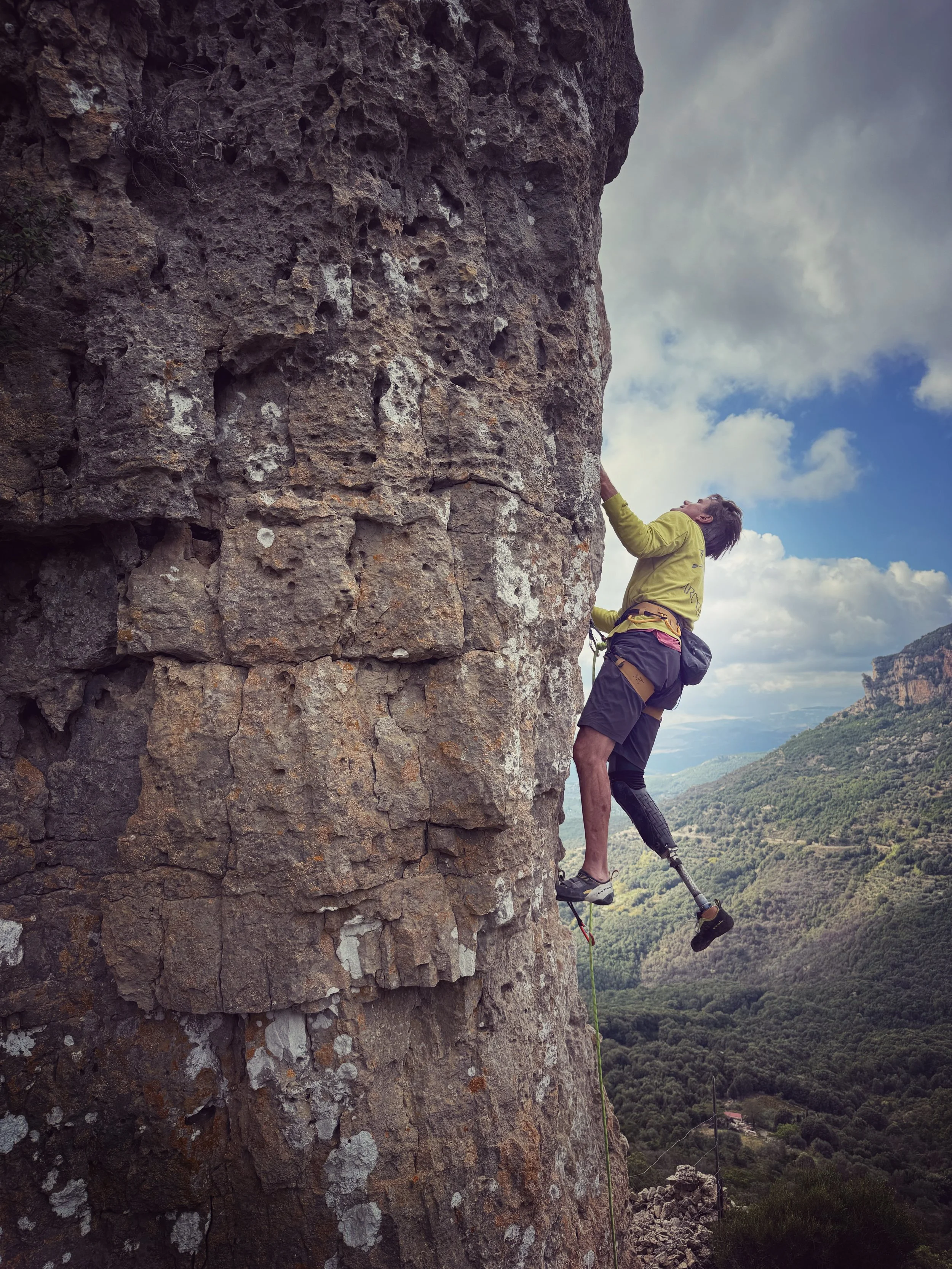
Speed climbing had once been a language I spoke fluently, and after the accident, I wondered if that dialect was lost to me. It wasn’t. With training, patience, and an acceptance of pain as information rather than enemy, I returned to The Nose. Thirteen hours. That time now stands as the speed record for adaptive climbing on The Nose of El Capitan. The number is less important than what it represents: adaptation is not a consolation prize. It is its own kind of excellence.
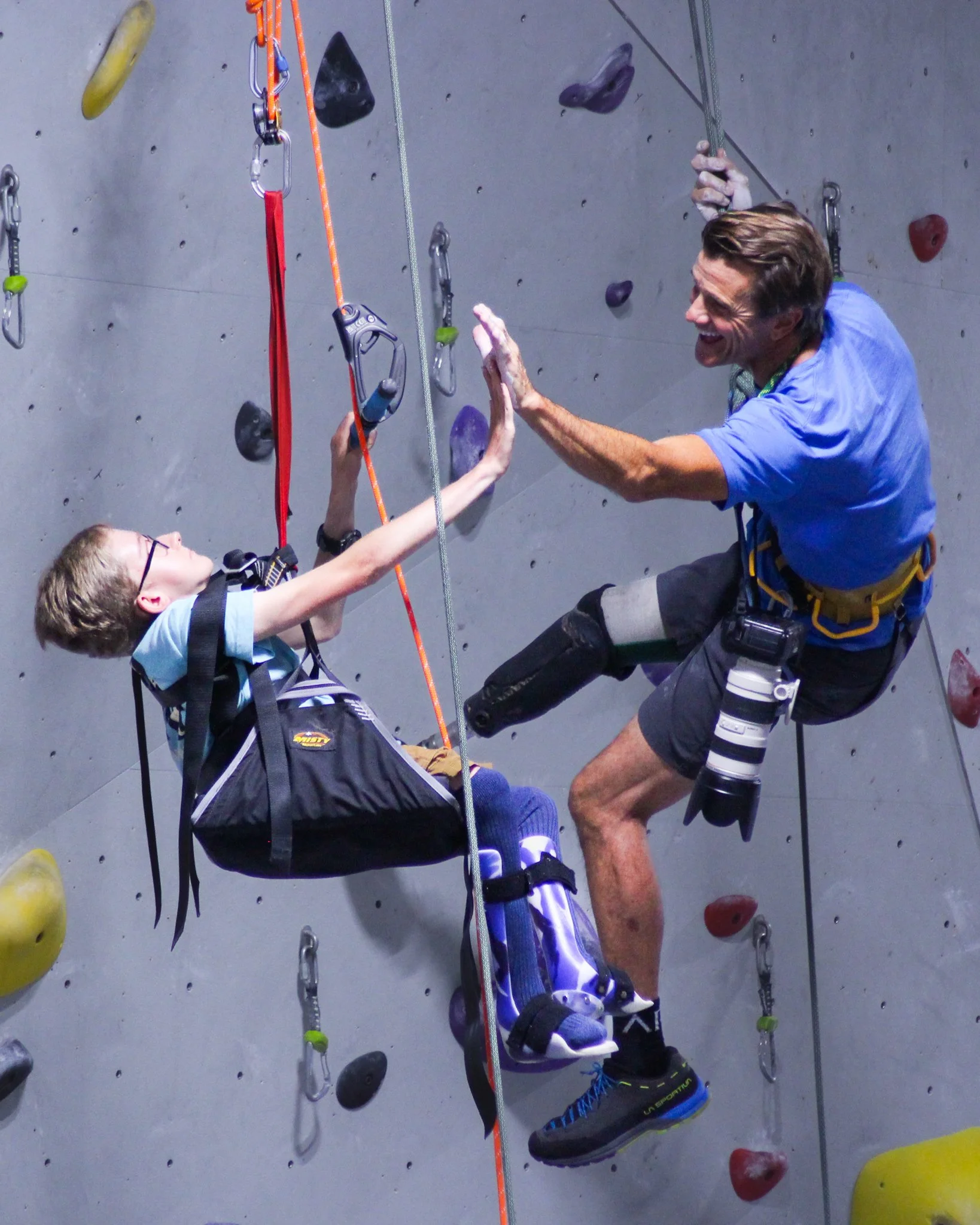
These days, I spend an equal amount of time on the walls as well as teaching on the ground, and that feels right. I teach clinics for people with physical disabilities, introducing them to climbing not as an escape, but as a conversation with the natural world. We talk about fear and balance, about falling and getting back on the rope. We talk about how healing isn’t a straight line and how accepting a new “normal” doesn’t mean settling—it means recalibrating.
I watch people arrive carrying doubt heavier than any rack. I watch them leave standing taller, eyes brighter, with a sense that their bodies are not broken, just different. Stone has a way of teaching patience. Wind teaches humility. Gravity teaches respect. Together, they offer something rare: perspective.
Some of the most powerful moments happen when I work with disabled veterans. Trauma leaves marks you can’t see and climbing gives those marks a place to breathe. On the wall, rank dissolves. What matters is partnership, trust, the quiet promise that someone has your rope. We move upward together, one hold at a time, learning that strength can coexist with vulnerability, that forward motion is possible even when the past is heavy.
I tell them the truth: climbing didn’t save me. But it gave me a language to understand survival. It taught me that loss and achievement can live in the same body, that meaning is something you build, pitch by pitch.
When I look up at El Capitan now, I don’t see a monument to what I overcame. I see a reminder of what’s still possible. Granite endures. So do we.